Returns are no longer a side note in retail. They’re part of the deal.
Customers expect flexible policies, quick refunds and zero friction. And if they don’t get it? They’ll shop somewhere else next time. In today’s competitive retail landscape, reverse logistics isn’t just an operational function — it’s a brand experience.
The numbers tell the story. In 2023 alone, returned goods were estimated at hundreds of billions globally. That’s a huge volume of products flowing backwards through supply chains. And for retailers, every single one of those returns affects profitability, inventory planning and sustainability goals.
The question isn’t whether returns will happen. It’s how well your retail logistics operation handles them. Ready to dive in?
Related Reading: Why digital logistics is retail’s competitive edge
Why reverse logistics matters more than ever
At its simplest, reverse logistics is the process of moving goods from the customer back to the retailer. But in practice, it’s far more complex.
Every returned item has to be collected, transported, inspected, graded and processed. Some go back into stock. Some need refurbishment. Others can’t be resold at all. Meanwhile, the customer is waiting for a refund — and judging the brand based on how smooth that process feels.
Poorly managed retail returns can quickly eat into margins. Delays, damaged goods and inefficient handling increase costs and reduce resale value. On the other hand, a streamlined reverse logistics system can recover revenue, improve stock accuracy and even strengthen customer loyalty.
In other words, returns aren’t just a cost centre. Managed well, they’re an opportunity.
The most common return headaches
Despite its importance, reverse logistics is often where friction shows up first. Retailers tend to encounter a few familiar challenges.
Damaged goods are high on the list. Products that arrive back in poor condition require extra handling and may not be resellable. That’s a direct hit to profitability and adds pressure to already tight margins.
Then there are slow pickups and transport delays. If a return sits waiting to be collected, the clock is ticking. The longer it takes to get back into the system, the longer the refund takes — and that delay directly affects customer perception.
And of course, refund delays themselves can cause reputational damage. Today’s shoppers expect near-instant confirmation and fast reimbursement. When that doesn’t happen, trust starts to erode.
All of this puts pressure on retail logistics teams to operate with speed, accuracy and transparency.
Related Reading: Sustainability in fashion: Unpacking the latest trends
Smarter ways to manage retail returns
So how can retailers improve their reverse logistics performance without driving up costs?
It starts with process clarity.
Streamlining inspection and grading is critical. The faster returned goods can be assessed, the quicker decisions can be made — restock, refurbish or remove from sale. Clear grading criteria reduce subjectivity and speed up order fulfillment cycles.
Return policies also matter more than many retailers realise. Transparent, easy-to-find guidance reduces confusion and cuts down on customer service queries. When customers know exactly what to expect, they’re less likely to feel frustrated during the process.
Data is another powerful tool. By analysing return reasons, retailers can spot recurring patterns — sizing issues, product defects, misleading descriptions. These insights can inform product development, quality control and even marketing messaging, reducing future retail returns at the source.
In short, reverse logistics works best when it’s proactive, not reactive.
The role of technology in reverse logistics
Technology has transformed how modern retail logistics functions — and returns are no exception.
Dedicated returns management platforms can automate authorisations, track parcels in real time and provide full visibility into return volumes and processing times. This visibility helps retailers measure performance and identify bottlenecks quickly.
Customer communication tools also play a major role. Automated updates via SMS or email keep customers informed about collection, inspection and refund status. That transparency reduces anxiety and improves overall satisfaction.
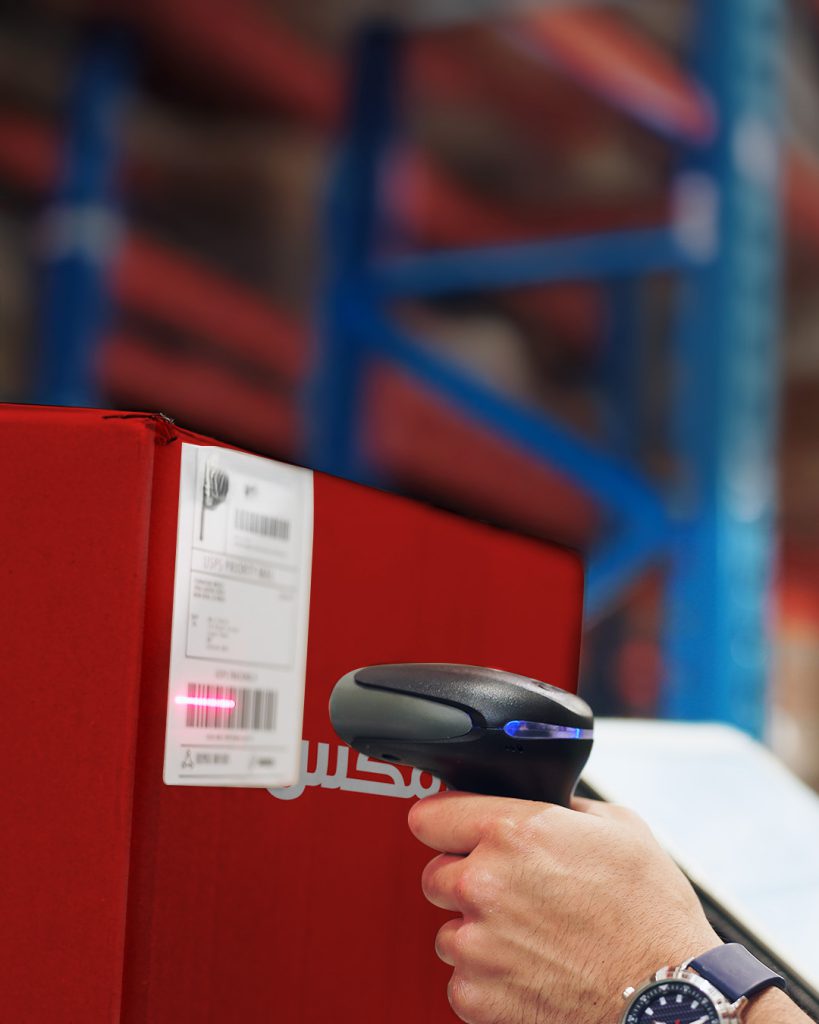
Behind the scenes, automation within warehouses — from barcode scanning to sorting systems — accelerates processing and ensures returned goods are reintegrated into inventory efficiently, supporting smoother order fulfillment downstream.
Related Reading: How to build a low-impact fashion supply chain
Why logistics partnerships make a difference
Reverse logistics doesn’t happen in isolation. It depends heavily on transport networks and operational expertise.
Partnering with experienced logistics providers allows retailers to streamline return shipping, improve pickup speed and access advanced tracking capabilities. With structured return routes, collection services and integrated systems, the entire journey back to the warehouse becomes more predictable.
Strong partnerships also support sustainability efforts. Efficient route planning and consolidation reduce unnecessary transport emissions, while improved processing ensures fewer products end up as waste.
Retailers that collaborate closely with their logistics partners often see measurable improvements in turnaround times, processing accuracy and overall cost control.
Turning returns into a competitive advantage
Retail returns aren’t going away. In fact, with the continued growth of e-commerce, volumes are likely to increase.
But that doesn’t mean they have to drain profit or damage reputation.
When reverse logistics is embedded strategically within retail logistics operations, it becomes a controlled, measurable process. Faster inspections improve inventory flow. Clear communication builds trust. Smarter data reduces repeat returns. And efficient transport networks keep goods moving.
Ultimately, returns are a customer touchpoint. And like any touchpoint, they shape how a brand is remembered.
Related Reading: How top brands optimise logistics for faster shipping
Key takeaway
Reverse logistics is no longer just a back-end function in retail logistics — it’s a core driver of customer experience, cost control and sustainability. By improving inspection processes, using data intelligently, investing in technology and strengthening logistics partnerships, retailers can turn retail returns from a challenge into a strategic advantage.
Handled well, returns don’t just protect margins. They protect loyalty — and that’s what keeps customers coming back. Want to know more? Reach out today.