Picture this: you spot a trending $10 shirt online, tap ‘buy’, and within days — sometimes even hours — it arrives at your doorstep in Dubai. It may have travelled thousands of miles, possibly from Asia, yet it reaches you faster than many domestic parcels once did.
This isn’t luck, and it’s not simply the result of low production costs, either. It’s a highly optimised system powered by fashion retail logistics, advanced data, and increasingly sophisticated e-commerce fulfilment strategies.
Let’s dive into what really makes modern fashion delivery move at such a pace.
Related Reading: Sustainability in fashion: Unpacking the latest trends
Data first: How AI anticipates the next UAE trend
Speed in fashion no longer begins at the warehouse — it begins with data.
Global brands targeting the UAE rely heavily on artificial intelligence to track emerging micro-trends. Algorithms scan platforms such as Instagram and TikTok, identifying patterns in colours, cuts, influencers and regional preferences that resonate with consumers across Dubai, Abu Dhabi and beyond.
Once a potential trend is identified, brands deploy a “test-and-repeat” model:
- Small production batches (often 100–200 pieces) are released
- Sales performance is tracked in real time
- High-performing styles are rapidly reordered and scaled
This reduces risk while keeping assortments fresh. Instead of overproducing seasonal collections months in advance, fashion retailers now react dynamically to demand signals.
For fashion retail logistics, this approach means supply chains must be agile. Production cycles are shorter. Inventory flows are faster. And warehouses must be ready to process frequent replenishments rather than static seasonal drops.
Related Reading: Why digital logistics is retail’s competitive edge
Centralised mega-hubs powering e-commerce fulfilment
Once items are produced, they typically bypass traditional retail distribution routes.
Rather than shipping inventory to multiple physical stores, stock is consolidated into centralised distribution centres — often strategically located near major UAE cities. These large-scale fulfilment hubs act as “mega-closets”, housing every available SKU under one roof.
This centralisation transforms e-commerce fulfilment in several ways:
- Orders are picked directly from a single inventory pool
- Automation reduces manual handling
- Real-time stock visibility minimises overselling
- Dispatch timelines shrink dramatically
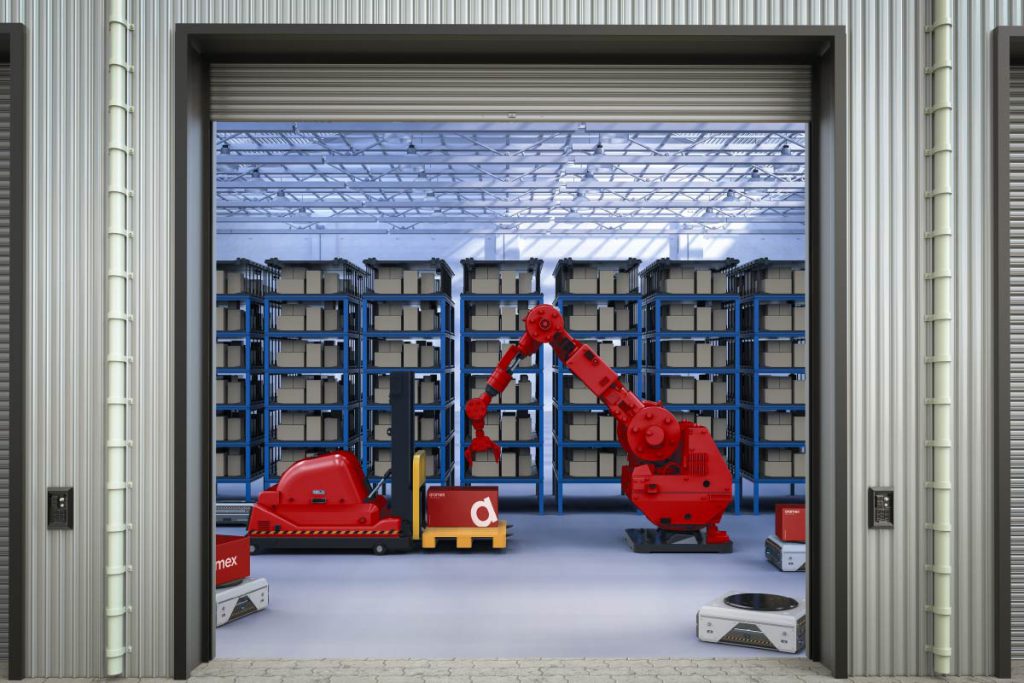
Modern facilities incorporate robotics, smart shelving and automated sorting systems. Orders can move from pick to pack to outbound staging in a matter of hours.
By removing the step of redistributing goods to physical shops first, brands eliminate days from the delivery timeline — enabling express delivery and, in some cases, even same-day delivery options within metropolitan areas.
The UAE advantage: A logistics-driven ecosystem
Cross-border shipping can be complex. Documentation, duties and inspections often introduce delays. However, the UAE’s reputation as a global logistics hub significantly reduces friction.
Dubai’s infrastructure — including advanced port facilities, major air cargo hubs and streamlined customs processes — enables rapid clearance of inbound goods. While regulations differ from markets such as the United States, operational efficiency remains a defining strength.
For fashion brands, this means:
- Faster inbound freight processing
- Predictable customs timelines
- Lower dwell times at ports and airports
These efficiencies are critical for trend-driven products with short lifecycle windows. In fast fashion, timing is everything. A style that arrives two weeks late may have already lost relevance.
The UAE’s integrated logistics ecosystem supports the speed required to maintain competitive advantage in fashion retail logistics.
Last-mile excellence: The role of local delivery networks
Even the most advanced warehouse cannot guarantee speed without a strong final hand-off.
The last mile — delivery from the distribution centre to the customer — is often the most operationally complex and costly stage. Urban density, traffic patterns and customer availability all play a role.
To meet demand for express delivery and same-day delivery, fashion retailers frequently partner with established local delivery networks. Rather than maintaining their own fleets, they leverage existing infrastructure and route optimisation systems.
If you’ve ever noticed your tracking number change mid-shipment, that’s typically the moment your parcel transitions into a local carrier’s system.
This collaboration ensures:
- Faster delivery windows
- Reduced operational overhead
- Greater scalability during peak demand
In the world of e-commerce fulfilment, last-mile performance can be the difference between customer loyalty and abandoned baskets.
Related Reading: How to build a low-impact fashion supply chain
The environmental consideration
Speed comes at a cost — particularly when air freight is involved.
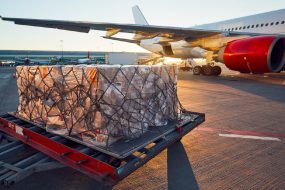
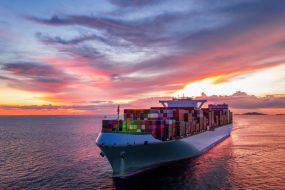
Rapid replenishment cycles and global sourcing models can significantly increase carbon emissions. Air transport, while efficient for timelines, carries a heavier environmental footprint compared to sea freight.
As sustainability becomes a greater priority for both consumers and brands, logistics strategies are evolving. Consolidated shipments, smarter forecasting and regional warehousing models are helping to balance convenience with responsibility.
For fashion consumers in the UAE, the question increasingly becomes: Do I need this immediately, or can I choose a lower-impact delivery option?
Why it matters for fashion brands
The success of modern fashion e-commerce depends on more than trend forecasting. It requires synchronised execution across:
- Data analytics
- Agile sourcing
- Centralised warehousing
- Streamlined customs
- High-performance last-mile networks
Together, these components form the backbone of effective fashion retail logistics.
As customer expectations rise — with same-day delivery shifting from a premium perk to a standard offering — brands must continuously refine their operational models to stay competitive.
Related Reading: How top brands optimise logistics for faster shipping
Key takeaway
What feels like instant style is powered by a complex, highly coordinated logistics engine.
From AI-driven trend prediction to centralised e-commerce fulfilment hubs and optimised express delivery networks, fashion brands operating in the UAE rely on speed, precision and infrastructure to deliver at pace.
In today’s retail environment, competitive advantage doesn’t just come from design. It comes from mastering the logistics that move trends from runway to wardrobe — faster than ever before.
Are you ready to take your fashion fulfilment to the next level? Contact us for a tailored solution.