If you’ve ever watched a delivery van crawl through city traffic and wondered how anything arrives on time, you wouldn’t be the first. As e-commerce continues to grow, last-mile delivery has become one of the most complex – and costly – parts of the supply chain. Nowhere is that more obvious than in dense urban environments.
Cities are busier, streets are tighter, and customer expectations are higher than ever. Add urban congestion into the mix, and the final leg of delivery quickly becomes a daily challenge. The good news? New logistics solutions are changing how goods move through cities – and doing it more efficiently than ever before.
Related Reading: Transform your customer service with fast and reliable last-mile delivery
Why is last-mile delivery under pressure
Last-mile delivery refers to the final journey a parcel takes from a distribution hub to the customer’s door. It might be the shortest distance in the supply chain, but it’s often the most difficult.
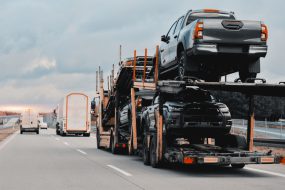
Urban congestion is a major contributor. Population growth, rising vehicle ownership, limited road space, and a surge in online shopping have all added more vehicles to city streets. The result is slower travel times, higher fuel consumption, and increased emissions – all of which drive up delivery costs.
For logistics providers, this creates a difficult balancing act: meeting tight delivery windows while navigating increasingly crowded urban environments.
Bringing inventory closer to customers
One of the biggest shifts in last-mile delivery is the move towards micro-fulfilment.
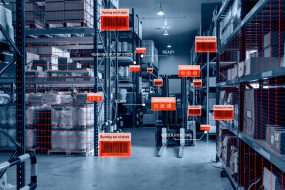
Micro-fulfilment centres
Rather than relying solely on large warehouses located outside cities, companies are setting up smaller facilities closer to urban consumers. These micro-fulfilment centres reduce the distance parcels need to travel, cutting delivery times and easing pressure on congested roads.
By shortening the last mile, businesses can improve service levels while reducing transport costs – a win for both customers and operators.
Related Reading: The ultimate guide to future-proofing last-mile delivery for pharmaceuticals
Rethinking the delivery vehicle
Traditional delivery vans aren’t always the best fit for city streets. That’s why alternative vehicles are becoming a key part of modern logistics solutions.
Electric vehicles
Electric delivery vehicles are gaining momentum in urban areas. With zero tailpipe emissions and quieter operation, they help reduce air and noise pollution while meeting increasingly strict city regulations.
Bikes and e-bikes
For short-distance urban deliveries, bicycles and e-bikes are proving highly effective. They can weave through traffic, access restricted zones, and park more easily than vans. E-bikes, in particular, allow couriers to carry heavier loads without slowing down.
Automation, drones, and what’s coming next
Technology is playing a growing role in reshaping last-mile delivery.
Drones and autonomous vehicles
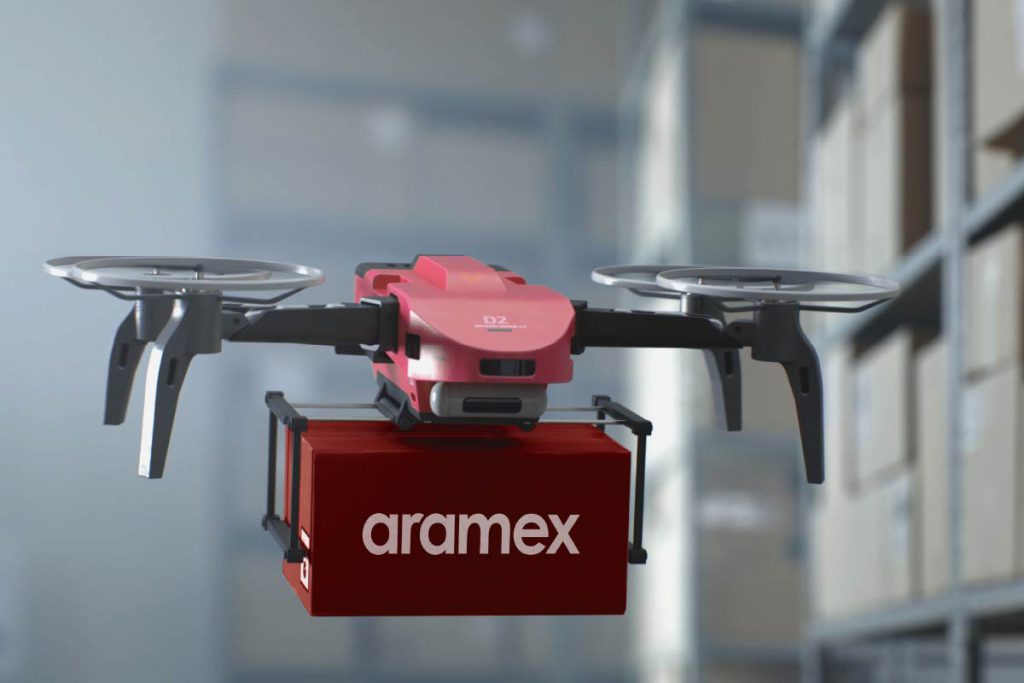
While still emerging, drones and autonomous delivery vehicles are being tested as solutions for congested urban areas. Drones offer fast, direct routes for small parcels, while autonomous vehicles promise longer operating hours and reduced labour costs.
Smarter tech behind the scenes
Innovation in last-mile delivery isn’t just about what’s on the road. It’s also about the systems that plan and manage each delivery.
Route optimisation
Advanced route optimisation software uses live traffic data, delivery windows, and vehicle capacity to plan the most efficient routes. This reduces time spent in traffic, lowers fuel consumption, and improves on-time performance.
Real-time traffic monitoring
Real-time monitoring allows drivers to avoid congestion as it happens, not after it’s too late. By rerouting vehicles in response to accidents or peak traffic, logistics teams can keep deliveries moving even in busy city centres.
Cities and logistics working together
Solving urban congestion isn’t something logistics companies can do alone. Increasingly, cities are collaborating with delivery providers to improve last-mile efficiency.
Dedicated delivery zones
Designated loading and unloading areas reduce double parking and traffic disruption. These zones help delivery vehicles operate more smoothly without blocking roads or pavements.
Off-peak deliveries
Encouraging deliveries outside of peak hours is another effective approach. By shifting deliveries to early mornings, evenings, or overnight, congestion during the busiest parts of the day can be reduced – speeding up deliveries and easing pressure on city infrastructure.
Related Reading: How tech is revolutionizing logistics efficiency
Building cities that move smarter
Urban congestion isn’t going away. If anything, it’s becoming one of the defining challenges for last-mile delivery in major cities around the world. But the shift we’re seeing now is encouraging. Instead of forcing old delivery models into modern cities, logistics providers are rethinking how goods move in urban environments.
From micro-fulfilment centres and electric vehicles to data-driven route optimisation and off-peak delivery strategies, the future of last-mile delivery is smarter, more flexible, and far more sustainable. Importantly, it’s also collaborative. Cities and logistics companies are increasingly working together to design urban spaces that support efficient deliveries without compromising the quality of life for residents.
For businesses, this means choosing logistics solutions that are designed for urban reality – not just speed, but resilience, adaptability, and environmental responsibility. For cities, it means recognising last-mile delivery as essential infrastructure, not an afterthought.
The companies that succeed in the years ahead will be the ones that treat last-mile delivery as a strategic advantage rather than a cost centre, using innovation to turn congestion into opportunity.
Key takeaway
Last-mile delivery is being reshaped by urban congestion, but innovation is unlocking new possibilities. By embracing flexible logistics solutions – from micro-fulfilment and electric vehicles to smarter routing and city collaboration – businesses can deliver faster, cleaner, and more reliable deliveries in even the most crowded urban environments.
Partner with Aramex for scalable warehousing and logistics solutions built to meet today’s urban delivery challenges. Reach out today!