Nobody starts a returns process expecting it to become a competitive edge. But that’s exactly what’s happening across retail and e-commerce right now. What used to be a quiet operational chore (process the box, refund the customer, move on) has turned into one of the clearest signals of how a brand treats its customers.
Companies that get returns management right aren’t just saving money. They’re building loyalty, protecting margins, and learning things about their products that no other channel reveals. Here’s why returns deserve a seat at the strategy table, not a spot in the back office.
Why returns stopped being an afterthought
For years, reverse logistics sat at the bottom of the priority list. It was treated as a cost to contain, not a process worth optimizing. Then e-commerce exploded, and shopper expectations shifted along with it.
Today’s customers want returns to be simple: no interrogation, fast refunds, drop-off points that don’t require a scavenger hunt. Every return is a second chance to prove a brand is worth buying from again.
A clunky returns experience does the opposite. It plants doubt at the exact moment a customer needs reassurance. Retailers who’ve figured this out treat returns as part of the same infrastructure that gets orders out the door quickly. In fact, top retailers are rethinking their distribution hubs entirely to stay competitive and efficient.
Related reading: How top retailers are rethinking distribution hubs
What poor returns management actually costs
The price tag on mismanaged customer returns goes well beyond a refunded transaction. Processing, inspection, repackaging, restocking, and the occasional write-off for damaged stock all add up fast. Add in stock visibility gaps and idle labor, and margins take a real hit.
There’s a reputational cost too. A slow or confusing return leaves an impression — and not the kind that gets shared favorably. Word travels quickly on social media, and a bad returns experience can undo months of brand-building in a single review.
Turning returns into an advantage
Handled deliberately, returns management becomes a genuine differentiator. A few ways it pays off:
- Stronger customer trust: shoppers complete more purchases when they know returns won’t be a hassle.
- Leaner operations: streamlined reverse logistics cuts transportation, warehousing, and labor costs.
- Tighter inventory control: faster inspection and restocking keep stock levels accurate and stockouts rare.
- Sharper product insight: returns data flags sizing issues, defects, and fulfillment errors before they become bigger problems.
- Sustainability wins: resale, refurbishment, and recycling programs turn returns into a lower-impact process.
Brands getting this right, like fast fashion brands that are in on the secret, are proving that speed and sustainability aren’t mutually exclusive.
Related reading: Fast fashion delivery secrets: a sneak peek for brands
Technology’s growing role
Automated returns portals let customers start the process without a phone call.
- Real-time tracking removes the guesswork on both sides.
- Predictive analytics flag fraud and forecast return volumes before they hit the warehouse floor.
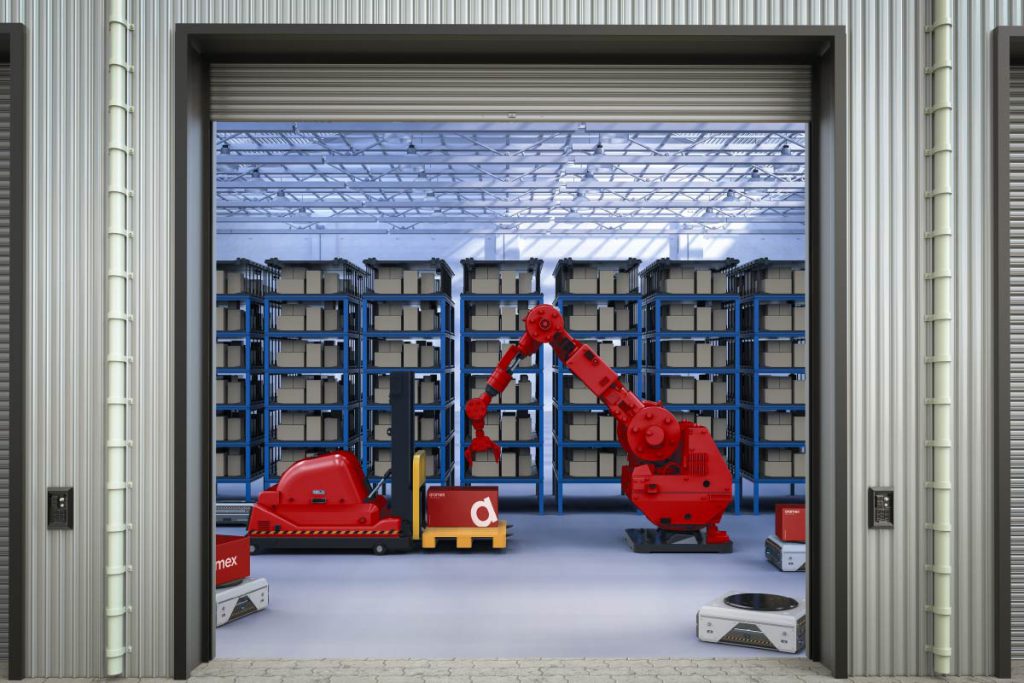
- Warehouse robotics speed up sorting and inspection, trimming labor hours in the process.
None of this works in isolation, though. The real gains come from connecting returns data with inventory, sales, and customer service systems.
Related reading: Why digital logistics is retail’s competitive edge
Building a smarter returns strategy
A few fundamentals separate the retailers who treat returns strategically from those still playing catch-up:
- Write a clear returns policy. Spell out eligible items, timeframes, and refund methods so expectations are set upfront.
- Partner with a logistics provider who knows reverse logistics. Efficient routing and warehousing make a measurable difference in cost and speed. Feed returns data back into product and fulfillment decisions. Recurring issues are usually fixable at the source.
- Train customer service teams to treat returns as part of the experience, not damage control.
Related reading: How to manage reverse logistics for seamless retail returns.
Key Takeaway
Returns management has moved from operational footnote to strategic priority. Retailers who invest in clear policies, smarter technology, and strong logistics partnerships aren’t just cutting costs — they’re building the kind of trust that keeps customers coming back, even after something goes back in the box.
Want to find out how we can help you simplify returns while strengthening customer loyalty? Get in touch today.