Online shoppers have become accustomed to getting what they want, when they want it. Next-day delivery is expected. Real-time tracking is standard. And easy returns are non-negotiable.
But while speed still matters, it’s no longer the thing that sets brands apart. Today’s customers are looking for a seamless experience from the moment they click “Buy Now” to the moment their order arrives — and even beyond that if they need to make a return. That’s why businesses are starting to think differently about e-commerce fulfillment. It’s no longer just about moving parcels quickly. It’s about building a fulfilment strategy that’s accurate, flexible, scalable and designed around the customer.
So, what does that actually look like?
Related Reading: How to manage reverse logistics for seamless retail returns
Great fulfillment starts long before an order is placed
At its core, e-commerce fulfillment covers everything that happens after a customer places an order — from storing inventory and processing orders to packing, shipping and managing returns.
Every one of these touchpoints has the potential to shape the customer experience. A delayed shipment, an incorrect item or poor communication can quickly undo all the hard work you’ve put into attracting a customer in the first place. The good news? Many of these challenges can be solved by strengthening the foundations of your supply chain.
Smart warehousing is the engine behind better fulfillment
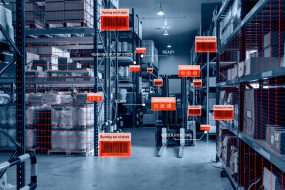
When people think of warehouses, they often picture rows of shelves stacked with boxes. In reality, modern warehousing solutions are highly intelligent operations that help businesses deliver faster, more accurately, and more efficiently.
A few elements make all the difference:
Real-time inventory visibility
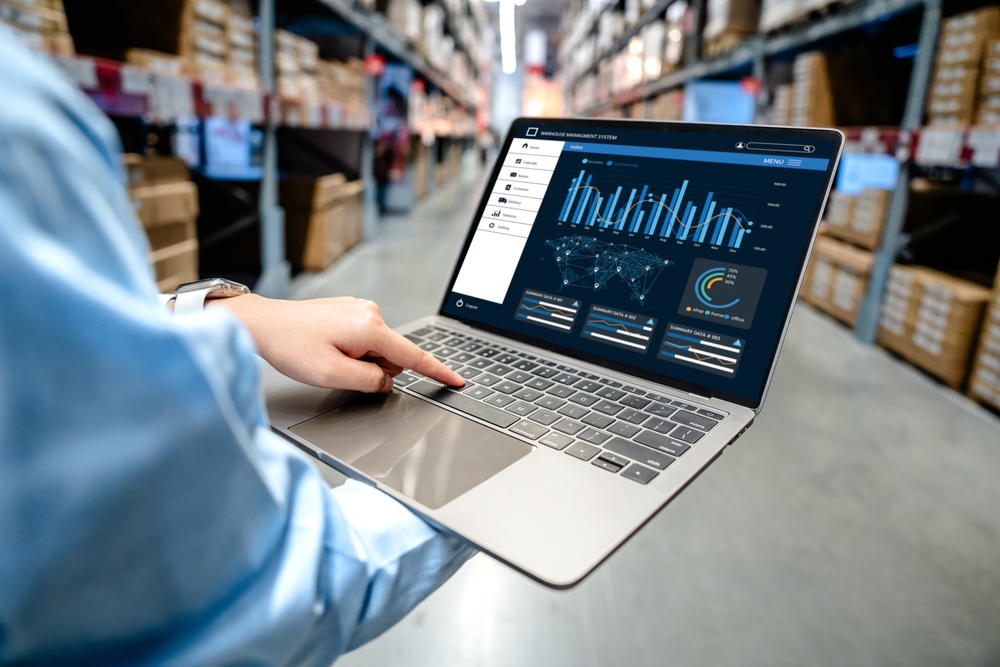
Knowing exactly what’s in stock helps prevent overselling, stock shortages and unnecessary delays. Integrated warehouse management systems give businesses greater control over inventory while helping orders move through the system more efficiently.
Automation where it matters
From automated picking systems to robotics and conveyor technology, automation helps reduce human error while speeding up order processing. It’s particularly valuable during peak shopping periods, when demand can spike overnight.
Warehouses closer to customers
Many retailers are moving towards distributed warehouse networks, storing inventory across multiple locations instead of relying on a single central hub. This reduces shipping distances, shortens delivery times and often lowers transportation costs too.
Building sustainability into operations
Today’s warehouses are also becoming greener. Energy-efficient facilities, reduced packaging waste and smarter resource management all help businesses reduce their environmental impact while meeting growing customer expectations around sustainability.
Related Reading: The ultimate guide to warehouse KPIs you can’t ignore
Why the last mile makes the biggest impression
No matter how efficient your warehouse is, the customer only judges the experience once their parcel arrives. That’s why last-mile delivery remains one of the most important — and challenging — parts of the fulfillment journey. It’s also often the most expensive stage of the supply chain.
Businesses that excel in this area tend to focus on flexibility and visibility. Giving customers delivery options — whether that’s same-day delivery, scheduled delivery windows or collection points — creates a far more convenient experience.
Behind the scenes, route optimisation software helps delivery teams choose the fastest and most efficient routes, reducing travel times while lowering fuel consumption.
Customers also expect to know where their order is at every stage. Accurate tracking updates, proactive notifications and clear communication help build confidence and reduce those “Where’s my parcel?” enquiries that can overwhelm customer service teams. Even small touches, like secure parcel lockers or contactless delivery options, can improve convenience while giving customers greater peace of mind.
The best fulfillment strategies connect every step
Strong e-commerce fulfillment isn’t built through isolated improvements. It comes from ensuring every stage of the journey works together.
That starts with connected systems. When inventory, warehousing and delivery data all work from the same source of truth, businesses can make faster decisions, reduce errors and fulfil orders more accurately. Many growing retailers also partner with third-party logistics (3PL) providers to access specialist expertise, scalable warehousing solutions and established delivery networks without the cost of building that infrastructure themselves.
Perhaps most importantly, successful businesses continually listen to customer feedback. Delivery preferences evolve quickly, and the brands that adapt fastest are often the ones that earn long-term loyalty.
Don’t overlook returns
Returns may happen after the sale, but they’re still a critical part of the customer experience.
A complicated returns process can discourage future purchases just as easily as a delayed delivery. On the other hand, making returns simple and transparent helps build trust and encourages customers to shop again.
Clear instructions, prepaid labels and convenient drop-off locations all help make the process easier for customers while speeding up reverse logistics.
Returns also provide valuable business insights. By analysing return data, businesses can identify recurring issues — whether that’s product quality, inaccurate descriptions or sizing problems — and make improvements that reduce future returns altogether.
Related Reading: Engineering supply chains in 2026: The visibility edge
Looking beyond speed
Fast delivery isn’t going anywhere. Customers still expect it. But the businesses creating truly memorable customer experiences understand that speed is only one piece of the puzzle.
A successful e-commerce fulfillment strategy combines intelligent warehousing solutions, efficient last-mile delivery, connected technology and a customer-first mindset. When every stage of the journey works together, businesses aren’t just delivering parcels faster — they’re delivering confidence, convenience and a better overall experience.
Key takeaway
An effective e-commerce fulfillment strategy goes far beyond fast shipping. By investing in smarter warehousing solutions, optimising last-mile delivery and creating a connected, customer-focused supply chain, businesses can improve efficiency, strengthen customer loyalty and stay competitive in an increasingly demanding e-commerce landscape.
Explore our solutions and optimize your fulfillment strategy today.