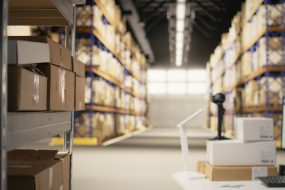
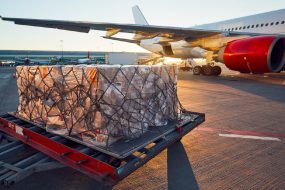
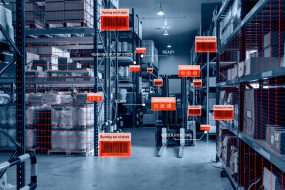
The world of logistics is changing fast. Really fast. And nowhere is that transformation more visible than in air freight. From AI-powered route optimisation to autonomous warehouse operations, the future of air freight is becoming smarter, faster, and far more connected than ever before.
What once relied on spreadsheets, manual tracking and reactive problem-solving is now driven by real-time data, machine learning and intelligent automation.In other words, air freight is having its tech moment.
Much like retail and e-commerce have reimagined their supply chains to keep up with rising consumer expectations, air freight is evolving to deliver shipments faster, more efficiently and with greater reliability across global markets.
Related Reading: Revolutionising fashion supply chains with AI technology
AI is turning air freight into a predictive powerhouse
Every shipment moving through the global air freight network generates vast amounts of data — from flight schedules and weather conditions to customs processing times and warehouse activity. Today, AI-powered predictive analytics is transforming how that data is used.
Instead of reacting to disruptions after they occur, air freight operators can now anticipate delays before they happen. Whether it’s severe weather, airport congestion or sudden demand spikes, intelligent systems can proactively adjust routing, reallocate capacity and optimise shipment flows in real time.
This shift from reactive to predictive operations is making air freight networks significantly more resilient and efficient — reducing disruptions and improving delivery reliability across the board.
Related Reading: Predictive logistics in automotive supply chains, simplified
Predictive maintenance is improving reliability in air cargo operations
Operational reliability is critical in air freight, where delays can ripple across global supply chains.AI-driven predictive maintenance is playing an increasingly important role in keeping cargo aircraft operational and minimising unexpected downtime.
Modern aircraft are equipped with advanced sensors that continuously monitor performance data such as engine health, temperature and system pressure. AI models analyse this data to detect early warning signs of potential issues, enabling maintenance teams to address problems before they cause disruptions.
For air freight operators, this means fewer last-minute aircraft groundings, more consistent schedules and improved service reliability — all of which directly impact on-time delivery performance.
Smarter route optimisation is driving efficiency
AI is also transforming how air freight routes are planned and managed.Traditional flight planning relied heavily on static scheduling and manual decision-making.
Today, AI systems dynamically optimise routes using real-time data inputs such as weather conditions, air traffic and operational constraints.
- Real-Time Rerouting: When disruptions occur, AI can instantly recommend alternative routes to minimise delays while maintaining efficiency.
- Improved Fuel Efficiency: AI-driven optimisation helps airlines determine optimal flight speeds and altitudes, reducing fuel consumption and lowering operating costs.
- Better Network Planning: By analysing demand patterns, air freight operators can better align capacity with shipment volumes — ensuring efficient use of cargo space and reducing bottlenecks during peak periods.
Together, these capabilities are helping create faster, more cost-effective and more sustainable air freight operations.
Related Reading: From delays to efficiency: Innovations in airline logistics
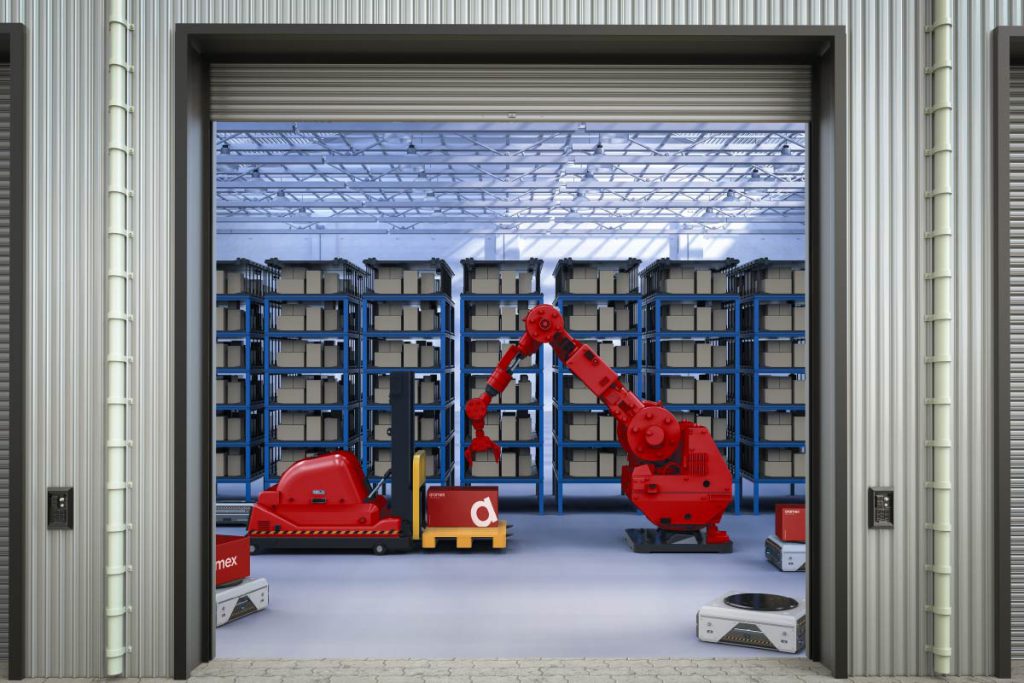
Automation is transforming cargo handling on the ground
Innovation in air freight doesn’t stop in the air — it extends across cargo terminals and warehouse facilities. Air cargo hubs are increasingly adopting automation to streamline the handling and movement of goods.
Autonomous robots and intelligent sorting systems can move, organise and process shipments with high speed and precision.These technologies help:
- Reduce manual errors
- Accelerate cargo processing times
- Improve turnaround between flights
Some operations are also introducing automated ground vehicles within cargo terminals to move freight more efficiently across facilities. The result is a more streamlined, high-performance cargo handling ecosystem that supports faster end-to-end delivery.
Related Reading: From warehouse to delivery: Automation’s revolutionary reshaping of logistics
Digital visibility is redefining shipment tracking
Visibility has become a key expectation in modern air freight. Customers increasingly demand real-time insights into their shipments — not just location, but condition, status and potential delays.
Advanced tracking technologies, including IoT sensors and digital monitoring platforms, are making this possible.Shipments can now be tracked across multiple checkpoints, providing live data on:
- Location
- Temperature
- Handling conditions
- Transit status
For sensitive cargo such as pharmaceuticals, electronics or high-value goods, this level of visibility reduces risk and enables faster response if issues arise.
Secure data systems are also improving transparency across the supply chain, helping reduce errors, enhance compliance and build trust between stakeholders.
The future of air freight looks smarter than ever
The next decade will continue to reshape air freight as AI, automation and advanced analytics become more deeply integrated into operations. Air freight providers are moving towards:
- Greater operational efficiency
- Lower costs
- Improved sustainability
- More resilient networks
While much of this technology operates behind the scenes, the impact is clear:
- Faster deliveries
- Better tracking
- Fewer disruptions
Air freight is no longer just about speed — it’s about intelligent, data-driven logistics that can adapt in real time to a constantly changing world.
Key takeaway
The future of air freight isn’t just about moving cargo faster — it’s about moving it smarter. With AI, automation and predictive technologies transforming every stage of the air cargo journey, the industry is building more reliable, efficient and connected global supply chains.
Want to find out more about how we can help? Get in touch today.