Selling everywhere is now the baseline. Online stores, physical locations, marketplaces, social commerce — today’s customers expect brands to be available across all of it, without friction. That’s the promise of omni-channel.
Behind the scenes, though, delivering on that promise is far from simple. Stock needs to move quickly. Inventory must stay visible across channels. Deliveries have to land on time — whether the order was placed in-store, online, or on a mobile app at midnight.
This is where freight forwarding steps in. Often overlooked, freight forwarders play a critical role in keeping omni-channel strategies running smoothly, especially for brands operating across borders.
Related Reading: Choosing the right freight partner: What really matters
Omni-channel doesn’t work without smart logistics
Omni-channel isn’t just about being present on multiple platforms. It’s about making them work together. Customers expect to browse online, buy in-store, return by courier, and receive updates in real time — all without disruption.
That level of flexibility puts serious pressure on logistics. Freight shipping must be fast, predictable, and scalable. Inventory has to flow seamlessly between suppliers, warehouses, stores, and end customers.
Freight forwarding services provide the structure that connects all of this. They coordinate the movement of goods so products arrive where they’re needed, when they’re needed — regardless of which channel triggered the order.
Related Reading: Aramex air freight market monitor
What freight forwarders actually do (and why it matters)
Freight forwarders specialise in organising freight shipping from origin to destination. That could be raw materials moving to a distribution hub, finished goods heading to stores, or e-commerce orders travelling across borders.
Their role goes well beyond booking transport. Freight forwarders manage carrier relationships, customs documentation, compliance requirements, and routing decisions — all while balancing speed and cost.
For omni-channel businesses, this expertise removes complexity. Instead of juggling multiple carriers and regulations, brands gain a single logistics partner that keeps freight moving efficiently.
Why the UAE is a freight forwarding powerhouse
The UAE has become a major global logistics hub, and it’s easy to see why. Its location connects East and West, its infrastructure supports air, sea, and road transport, and its trade ecosystem is built for scale.
Freight forwarding companies in the UAE support businesses across retail, manufacturing, and e-commerce — many of which rely on omni-channel models to reach regional and global customers.
From fast air freight to cost-efficient sea freight, freight forwarders in the UAE offer flexible options that suit different fulfilment needs.
Core freight forwarding services that power omni-channel
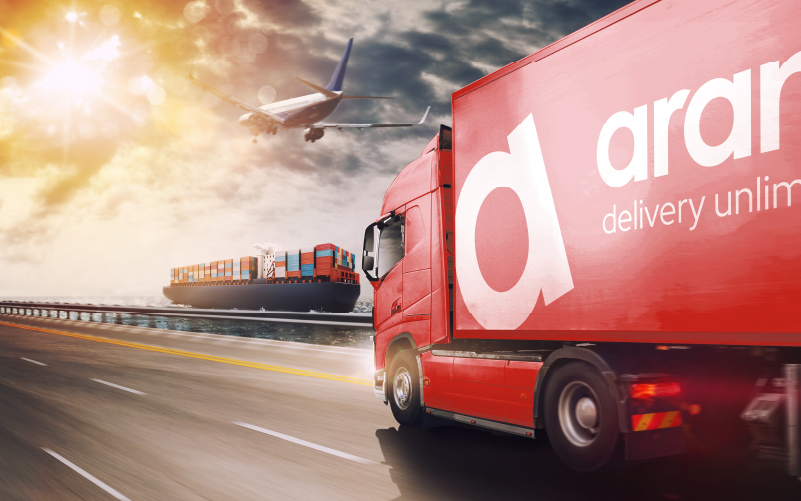
Freight forwarding services are designed to keep supply chains moving across channels and regions. Common services include:
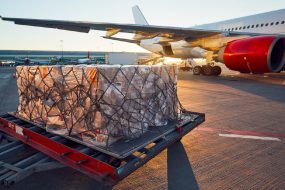
- Air freight for time-sensitive or high-value goods
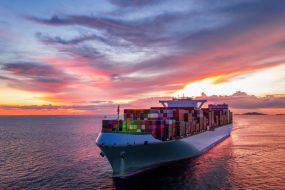
- Sea freight for bulk shipments and cost control
- Land transport across the GCC for regional distribution
- Customs clearance to manage documentation and compliance
- Warehousing to support inventory positioning closer to demand
Together, these services help brands adapt quickly as demand shifts between channels.
Related Reading: Chemical Logistics: What to look for in a freight partner
How freight forwarders unlock omni-channel growth
Omni-channel success relies on coordination. Freight forwarders provide that coordination across multiple touchpoints.
Keeping inventory in the right place
Freight forwarders help position stock strategically, reducing the risk of stockouts in one channel while excess inventory sits elsewhere.
Improving delivery speed and reliability
Optimised routes and carrier selection help ensure orders arrive on time — a must for customer satisfaction.
Reducing shipping costs
By leveraging scale and long-standing carrier relationships, freight forwarders negotiate better rates, supporting margin protection as volumes grow.
Supporting flexibility at scale
As brands expand into new markets or channels, freight forwarders make it easier to scale operations without rebuilding logistics from scratch.
Challenges — and why forwarders keep evolving
Freight forwarding isn’t without its challenges. Regulations change. Customer expectations rise. Sustainability is becoming a bigger priority.
In response, freight forwarders are investing heavily in technology. Real-time tracking, automation, AI-driven planning, and data visibility are now standard tools — helping businesses gain greater control and transparency across their supply chains.
These innovations make freight forwarding even more valuable in an omni-channel environment, where speed and accuracy matter just as much as cost.
Related Reading: Why air freight is the unsung hero of healthcare logistics
Freight forwarding and the future of omni-channel
As omni-channel strategies become more sophisticated, logistics will only grow more complex. Customers won’t see the freight forwarders behind the scenes — but they’ll feel the impact when deliveries are fast, reliable, and flexible.
Freight forwarders are no longer just service providers. They’re strategic partners helping brands grow across channels, borders, and markets.
Key Takeaway
Omni-channel growth depends on logistics that can keep up. Freight forwarders provide the expertise, infrastructure, and flexibility businesses need to manage freight shipping across multiple channels.
From global movements to regional delivery, freight forwarding services — especially those offered by leading freight forwarding companies in the UAE — are the backbone of scalable, customer-ready omni-channel operations.
Ready to strengthen your omni‑channel logistics? Connect with our freight experts today.