The automotive industry has never stood still — but right now, change is happening faster than ever. New models, new markets, tighter timelines, and growing customer expectations are all putting pressure on the global supply chain. By 2026, the brands pulling ahead won’t just be building better vehicles. They’ll be running smarter logistics.

Predictive logistics is becoming a defining force in automotive logistics, helping manufacturers and suppliers anticipate problems before they happen, move freight more efficiently, and make better decisions across the entire global supply chain.

So what does that actually look like in practice — and why does it matter?

Related Reading: Logistics for EVs: What’s changing in auto supply chains

Why automotive supply chains are getting more complex

Automotive supply chains have always been intricate. Thousands of components, multiple suppliers, just-in-time production models, and strict delivery windows all have to line up perfectly.

Now add global sourcing, regional disruptions, shifting demand, and rising sustainability expectations into the mix. Suddenly, reacting after something goes wrong isn’t good enough.

This is where predictive logistics steps in — moving automotive logistics from reactive firefighting to proactive planning.

Related Reading: Unlocking the power of data in automotive logistics

What predictive logistics really means

At its core, predictive logistics uses data, analytics, and machine learning to forecast what’s likely to happen next across the supply chain.

By analysing historical trends alongside real-time data — from freight movements to supplier performance — automotive businesses can spot risks early, plan alternatives, and keep operations running smoothly.

Instead of asking, “What just went wrong?”, teams can ask, “What’s about to happen — and how do we stay ahead of it?”

Smarter inventory, fewer surprises

Inventory management has always been a balancing act in automotive supply chains. Too much stock ties up cash. Too little brings production lines to a halt.

Predictive logistics helps strike that balance. With better demand forecasting, companies can anticipate spikes or slowdowns and adjust inventory levels accordingly. The result is fewer stockouts, less excess inventory, and a supply chain that feels far more in control.

For automotive logistics teams, that kind of visibility can make a measurable difference to both costs and customer satisfaction.

End-to-end visibility across the global supply chain

One of the biggest advantages of predictive logistics is visibility. Automotive supply chains stretch across borders, suppliers, and transport modes — often managed by multiple freight forwarding partners.

Predictive tools pull data from across this ecosystem, offering a clear, real-time view of what’s moving, where it is, and what might delay it.

If a shipment is likely to miss a production window, teams can respond early. If a supplier is underperforming, patterns show up faster. This level of insight helps freight forwarding and logistics teams work together more effectively across the global supply chain.
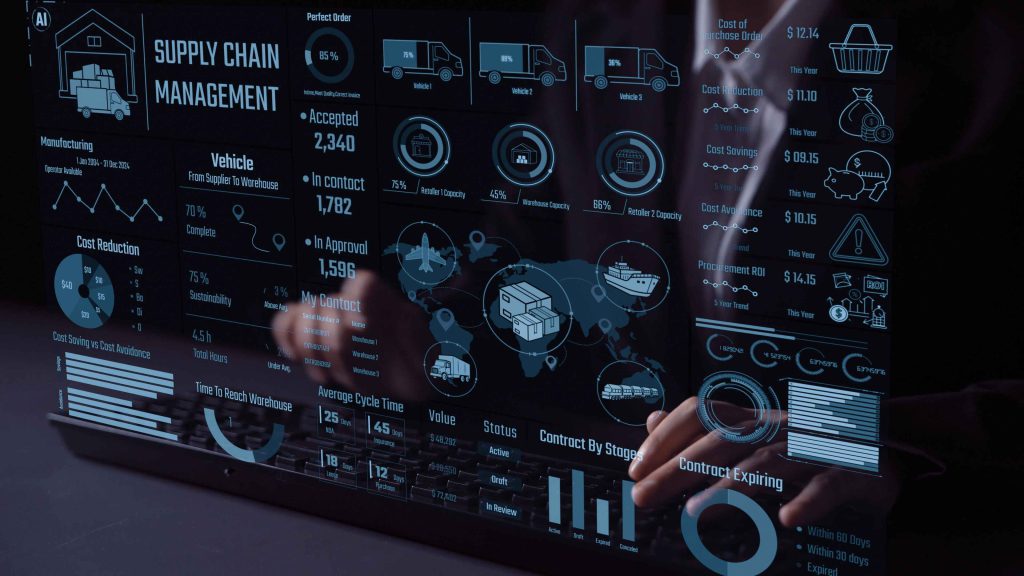
Predictive analytics illustration

Lower costs without cutting corners

Efficiency isn’t just about speed — it’s also about cost control. Predictive logistics supports better route planning, improved freight utilisation, and smarter scheduling.

That means fewer empty miles, less last-minute air freight, and reduced waste across the supply chain. Over time, these efficiencies add up, improving margins without sacrificing reliability.

For automotive brands operating at scale, even small improvements can have a significant financial impact.

Related Reading: Automotive logistics made easy: a strategy guide

The technology powering predictive automotive logistics

Several technologies are driving this shift.

IoT and real-time data
Sensors on vehicles, containers, and equipment feed live data into logistics platforms, keeping supply chain information current and accurate.

AI and machine learning
These tools analyse massive data sets to spot trends, predict disruptions, and support better decision-making across automotive logistics operations.

Blockchain for trust and transparency
By securely recording transactions and movements, blockchain helps improve collaboration and data integrity across complex, multi-partner supply chains.

Together, these technologies are reshaping how freight forwarding and logistics teams manage risk and performance.

What’s holding companies back?

Despite the benefits, predictive logistics isn’t plug-and-play. Automotive companies still face challenges around system integration, data quality, and skills gaps.

There’s also a mindset shift required. Moving to predictive logistics means trusting data-driven insights and embedding them into everyday decision-making — not just using them as reports after the fact.

The companies seeing the strongest results are those taking a phased approach: starting with clear goals, investing in the right tools, and working closely with freight forwarding and technology partners.

Related Reading: Enhancing automotive logistics with technology

Sustainability gets a boost too

Efficiency and sustainability often go hand in hand. Predictive logistics helps automotive companies optimise routes, reduce fuel use, and cut emissions across the supply chain.

Smarter inventory planning also reduces waste, supporting broader sustainability goals without adding complexity. As environmental expectations continue to rise, this becomes a major advantage.

Looking ahead to 2026 and beyond

Predictive logistics isn’t a future concept — it’s already reshaping automotive logistics today. By 2026, it will be a standard expectation rather than a competitive edge.

As technology continues to evolve, forecasting will become even more accurate, collaboration across the global supply chain will improve, and logistics teams will gain greater control over complexity.

Key Takeaway

Predictive logistics is transforming automotive logistics from reactive to resilient. By improving visibility, optimising inventory and strengthening freight forwarding decisions across the global supply chain, automotive companies can reduce risk, cut costs and stay competitive.

Those who invest now will be best positioned to keep moving forward — no matter what the road ahead looks like. Want to know more? Reach out today.

Leave a Reply

Your email address will not be published.

[wpforms id="2641"]
<div class="wpforms-container wpforms-container-full form-toadd" id="wpforms-2641"><form id="wpforms-form-2641" class="wpforms-validate wpforms-form wpforms-ajax-form" data-formid="2641" method="post" enctype="multipart/form-data" action="/predictive-logistics-in-automotive-supply-chains-simplified/" data-token="91cee205928ad9ef730ac6eed57943c0"><noscript class="wpforms-error-noscript">Please enable JavaScript in your browser to complete this form.</noscript><div class="wpforms-field-container"><div id="wpforms-2641-field_1-container" class="wpforms-field wpforms-field-name" data-field-id="1"><label class="wpforms-field-label" for="wpforms-2641-field_1">Name <span class="wpforms-required-label">*</span></label><div class="wpforms-field-row wpforms-field-large"><div class="wpforms-field-row-block wpforms-first wpforms-one-half"><input type="text" id="wpforms-2641-field_1" class="wpforms-field-name-first wpforms-field-required" name="wpforms[fields][1][first]" required><label for="wpforms-2641-field_1" class="wpforms-field-sublabel after ">First</label></div><div class="wpforms-field-row-block wpforms-one-half"><input type="text" id="wpforms-2641-field_1-last" class="wpforms-field-name-last wpforms-field-required" name="wpforms[fields][1][last]" required><label for="wpforms-2641-field_1-last" class="wpforms-field-sublabel after ">Last</label></div></div></div><div id="wpforms-2641-field_10-container" class="wpforms-field wpforms-field-layout" data-field-id="10"><label class="wpforms-field-label wpforms-label-hide" for="wpforms-2641-field_10">Layout</label><div class="wpforms-field-layout-columns wpforms-field-layout-preset-50-50"><div class="wpforms-layout-column wpforms-layout-column-50"><div id="wpforms-2641-field_2-container" class="wpforms-field wpforms-field-email" data-field-id="2"><label class="wpforms-field-label" for="wpforms-2641-field_2">Work Email <span class="wpforms-required-label">*</span></label><input type="email" id="wpforms-2641-field_2" class="wpforms-field-large wpforms-field-required" name="wpforms[fields][2]" required></div></div><div class="wpforms-layout-column wpforms-layout-column-50"><div id="wpforms-2641-field_12-container" class="wpforms-field wpforms-field-phone" data-field-id="12"><label class="wpforms-field-label" for="wpforms-2641-field_12">Phone <span class="wpforms-required-label">*</span></label><input type="tel" id="wpforms-2641-field_12" class="wpforms-field-medium wpforms-field-required wpforms-smart-phone-field" data-rule-smart-phone-field="true" name="wpforms[fields][12]" required></div></div></div></div><div id="wpforms-2641-field_9-container" class="wpforms-field wpforms-field-layout" data-field-id="9"><label class="wpforms-field-label wpforms-label-hide" for="wpforms-2641-field_9">Layout</label><div class="wpforms-field-layout-columns wpforms-field-layout-preset-50-50"><div class="wpforms-layout-column wpforms-layout-column-50"><div id="wpforms-2641-field_4-container" class="wpforms-field wpforms-field-text" data-field-id="4"><label class="wpforms-field-label" for="wpforms-2641-field_4">Company <span class="wpforms-required-label">*</span></label><input type="text" id="wpforms-2641-field_4" class="wpforms-field-large wpforms-field-required" name="wpforms[fields][4]" required></div><div id="wpforms-2641-field_14-container" class="wpforms-field wpforms-field-select wpforms-field-select-style-classic" data-field-id="14"><label class="wpforms-field-label" for="wpforms-2641-field_14">Country <span class="wpforms-required-label">*</span></label><select id="wpforms-2641-field_14" class="wpforms-field-medium wpforms-field-required" name="wpforms[fields][14]" required="required"><option value="" class="placeholder" disabled selected='selected'>Select Country</option><option value="Select a country" >Select a country</option><option value="Afghanistan" >Afghanistan</option><option value="Afghanistan" >Afghanistan</option><option value="Angola" >Angola</option><option value="Argentina" >Argentina</option><option value="Australia" >Australia</option><option value="Austria" >Austria</option><option value="Azerbaijan" >Azerbaijan</option><option value="Bahrain" >Bahrain</option><option value="Bangladesh" >Bangladesh</option><option value="Belarus" >Belarus</option><option value="Belgium" >Belgium</option><option value="Benin" >Benin</option><option value="Bolivia" >Bolivia</option><option value="Brazil" >Brazil</option><option value="Bulgaria" >Bulgaria</option><option value="Cambodia" >Cambodia</option><option value="Cameroon" >Cameroon</option><option value="Canada" >Canada</option><option value="Central African Republic" >Central African Republic</option><option value="Chad" >Chad</option><option value="China" >China</option><option value="Colombia" >Colombia</option><option value="Cuba" >Cuba</option><option value="Cyprus" >Cyprus</option><option value="Czechia" >Czechia</option><option value="Congo" >Congo</option><option value="Denmark" >Denmark</option><option value="Dominican Republic" >Dominican Republic</option><option value="Ecuador" >Ecuador</option><option value="Egypt" >Egypt</option><option value="El Salvador" >El Salvador</option><option value="Ethiopia" >Ethiopia</option><option value="Finland" >Finland</option><option value="France" >France</option><option value="Germany" >Germany</option><option value="Ghana" >Ghana</option><option value="Greece" >Greece</option><option value="Guatemala" >Guatemala</option><option value="Guinea" >Guinea</option><option value="Haiti" >Haiti</option><option value="Honduras" >Honduras</option><option value="Hungary" >Hungary</option><option value="India" >India</option><option value="Indonesia" >Indonesia</option><option value="Iran" >Iran</option><option value="Iraq" >Iraq</option><option value="Ireland" >Ireland</option><option value="Italy" >Italy</option><option value="Japan" >Japan</option><option value="Jordan" >Jordan</option><option value="Kazakhstan" >Kazakhstan</option><option value="Kenya" >Kenya</option><option value="Kuwait" >Kuwait</option><option value="Kyrgyzstan" >Kyrgyzstan</option><option value="Laos" >Laos</option><option value="Lebanon" >Lebanon</option><option value="Liberia" >Liberia</option><option value="Libya" >Libya</option><option value="Madagascar" >Madagascar</option><option value="Malawi" >Malawi</option><option value="Malaysia" >Malaysia</option><option value="Mali" >Mali</option><option value="Mauritania" >Mauritania</option><option value="Mexico" >Mexico</option><option value="Morocco" >Morocco</option><option value="Mozambique" >Mozambique</option><option value="Nepal" >Nepal</option><option value="Netherlands" >Netherlands</option><option value="New Zealand" >New Zealand</option><option value="Nigeria" >Nigeria</option><option value="Norway" >Norway</option><option value="Oman" >Oman</option><option value="Pakistan" >Pakistan</option><option value="Palestine" >Palestine</option><option value="Papua New Guinea" >Papua New Guinea</option><option value="Philippines" >Philippines</option><option value="Poland" >Poland</option><option value="Portugal" >Portugal</option><option value="Qatar" >Qatar</option><option value="Romania" >Romania</option><option value="Saudi Arabia" >Saudi Arabia</option><option value="Senegal" >Senegal</option><option value="Singapore" >Singapore</option><option value="South Africa" >South Africa</option><option value="Spain" >Spain</option><option value="Sudan" >Sudan</option><option value="Sri Lanka" >Sri Lanka</option><option value="Thailand" >Thailand</option><option value="Tunisia" >Tunisia</option><option value="Turkey" >Turkey</option><option value="United Arab Emirates" >United Arab Emirates</option><option value="United Kingdom" >United Kingdom</option><option value="United States" >United States</option></select></div></div><div class="wpforms-layout-column wpforms-layout-column-50"><div id="wpforms-2641-field_5-container" class="wpforms-field wpforms-field-text" data-field-id="5"><label class="wpforms-field-label" for="wpforms-2641-field_5">Job Title</label><input type="text" id="wpforms-2641-field_5" class="wpforms-field-large" name="wpforms[fields][5]" ></div></div></div></div></div><div class="wpforms-submit-container"><input type="hidden" name="wpforms[id]" value="2641"><input type="hidden" name="wpforms[author]" value="24"><input type="hidden" name="wpforms[post_id]" value="5720"><button type="submit" name="wpforms[submit]" id="wpforms-submit-2641" class="wpforms-submit btn-danger" data-alt-text="Sending..." data-submit-text="Submit" aria-live="assertive" value="wpforms-submit">Submit</button><img src="https://blogistics.aramex.com/wp-content/plugins/wpforms/assets/images/submit-spin.svg" class="wpforms-submit-spinner" style="display: none;" width="26" height="26" alt="Loading"></div></form></div> <!-- .wpforms-container -->